Coup de cœur
With Ivorian Conceptual Sculptor and Visual Artist Ibrahim Touré, known as Massa-Chula
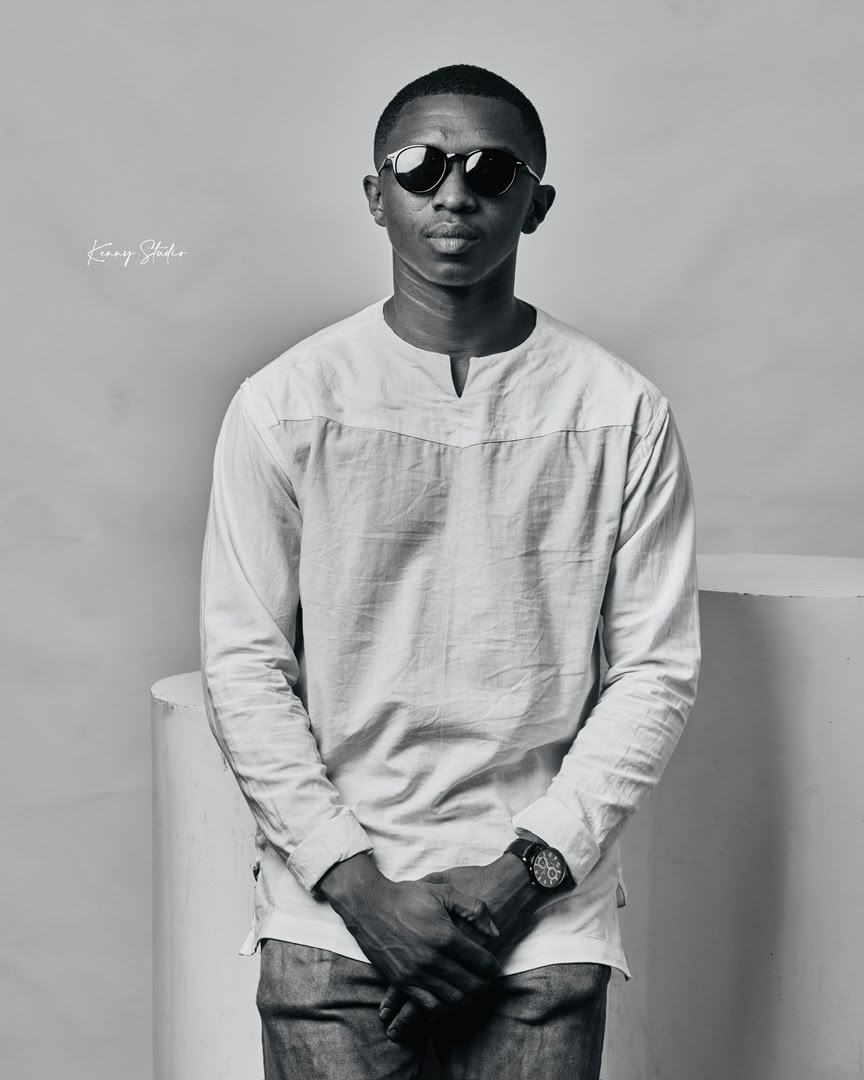
Massa-Chula, whose real name is Ibrahim Touré, is a conceptual sculptor, visual artist, and photographer born in 1997 in Abidjan, Côte d’Ivoire. Although he initially pursued a career with several Ivorian companies as a marketing and management engineer, he turned to art in the wake of the COVID-19 pandemic. Since then, he has drawn inspiration from traditional African masks to create sculptures with futuristic forms that explore the collective consciousness, identity, memory, and history of the African continent. He is our Favorite Artist.
Asakan: To start our interview, would you like to introduce yourself?
Massa-Chula: I’m Ibrahim Touré, known by my artist name, Massa-Chula. I’m an Ivorian visual artist and sculptor from Abobo.
My background is a bit unconventional: formerly a marketing and management engineer, I traded the rigors of corporate life for the freedom of creativity. Today, I am officially recognized by the Government of Senegal as a “Pilgrim of Gorée”; this distinction carries with it the mission of “Guardian of Memory.”
Through my sculptures and installations, I create a dialogue between ancestral African traditions and an Afro-futurist vision, using the past as raw material to (re)invent the future.
Asakan: How would you define art? And how do you view contemporary art?
Massa-Chula: For me, art is the materialization of a divine gift—the embodiment of our ideas and emotions. You can’t cheat in art. It is an integral part of my being.
Contemporary African art, for its part, is a peaceful battlefield. It is a space where we, as African creators, reclaim power over our narratives. We are no longer merely heirs to be observed; we are architects building our present and our future.
Contemporary art today must be socially engaged, must question memory, and must provide answers to the challenges facing our societies.
Asakan: When did you realize you would devote your life to art?
Massa-Chula: As a child, I spent time in the workshops of several artisans in my neighborhood of Abobo out of curiosity, and I also naturally knew how to draw a little. The professional turning point came later, when I realized that art could be an act of healing through the work of certain visual artists from Côte d’Ivoire, the subregion, and internationally.
But I truly began my artistic practice at an unexpected time: between 2019 and 2020, in the midst of the COVID-19 pandemic. That’s because I became aware of my potential during that period, with the unwavering support of my father (who is no longer with us today). Since then, little by little, I’ve made my way, guided by the invaluable advice of Professor Yacouba Konaté and Salif Diabagaté, to whom I also pay tribute. Not to mention my loyal partners, such as Côte d’Ivoire Tourisme.
In 2025, when I donated two monumental sculptures to the State of Senegal (one installed on Gorée and the other at the Monument of the Renaissance), I realized that my life would never be the same again. For, in addition to gaining a certain degree of recognition, I now had a mission: that of GUARDIAN OF MEMORY. Today, I quietly pursue this mission with pride.

Ibrahim Touré, known as Massa-Chula, “Negro Calciné,” and “Kunta Kinté,” 2023. Polystyrene sculpture, plaster, assemblage, recycled materials, reinvented mask, 180 x 60 cm x 2 Courtesy of the Artist (Donations by Massa-Chula to the State of Senegal (House of Slavery in Gorée and Monument to the African Renaissance)
Asakan: As an artist, how would you define yourself? How did you come to establish your artistic identity?
Massa-Chula: I define myself as a conceptual artist and a keeper of memory. My artistic approach is entirely guided by a concept I developed that is close to my heart: “The New Era Folks.” Through sculpture, assemblage, and the reinvention of traditional masks, my work consists of bringing to life figures—true prophets of modern times capable of sparking a peaceful awakening.
For the greatest wound suffered by Africa is not physical; it is mental. There is a form of mental backwardness or decolonization that we must overcome.
My approach therefore lies precisely at the crossroads of three paths: Memory (where we come from), Identity (who we are), and the Future (what we choose to become).
Moreover, by working with raw materials such as wood, paxalu (heated bitumen), and paper—by burning or sculpting them—I capture the idea of a trace, of a scar. Every crack in my masks or in my installation *John Doe* thus tells a story.

Ibrahim Touré, known as Massa Chula, “John Doe 999,” 2026. Polystyrene sculpture, paxalu, collage, assemblage, recycled materials, reinvented mask. Courtesy of the artist
Asakan: What are your artistic inspirations and influences? What themes and emotions do you seek to convey in your works?
Massa-Chula: My influences are many and varied. They range from the artisan mask sculptors of my childhood in Côte d’Ivoire to Cheick Santa Diop’s concept of Négritude, as well as the thinkers of Pan-Africanism. On the artistic side, I can name artists such as Yinka Shonibare MBE, Dominique Zinkpè, Jem’s Kokobi, Salif Diabagaté, and many others.
My favorite themes are Memory, Identity, Transmission, and Antifragility (the ability to grow stronger after a shock).
I strive to convey powerful emotions: resilience, spirituality, but also the hope for a confident Africa that embraces technology (Afrofuturism).

Ibrahim Touré, known as Massa-Chula, “Termite.” Reimagined mask. Courtesy of the artist

Ibrahim Touré, known as Massa-Chula, “Wall of the Guardians of Memory,” 2026. Wall installation of 30 reimagined masks, natural ink, spray paint, and ebony and red wood powder, 25 x 15 cm x 30. Courtesy of the artist

Ibrahim Touré, known as Massa-Chula, “No Words, Just Stop.” Painting, 150 x 100 cm. Courtesy of the artist
Asakan: How is your work perceived by the public? And by the art community?
Massa-Chula: The public is very receptive. People often tell me that my works move them deeply because they awaken a dormant collective memory.
The art world, on the other hand, perhaps sees me as something of an oddity: I am at once a traditional sculptor, a cultural entrepreneur (through my cooperative, Art Africa Creator), and a diplomatic actor. International institutions and diplomatic missions—such as UNESCO, the embassies of certain countries, and Côte d’Ivoire Tourism—are interested in my approach because it addresses social impact.
Asakan: What advice would you like to share with other young people eager to pursue a career in art?
Massa-Chula: I’d tell them two things. First, be thorough and professional. Art is a passion, but it’s also a profession. Have contracts, well-prepared portfolios, and build your network.
Second, don’t be afraid of your roots. The current global trend is toward authenticity. The world doesn’t need copies of Western art—it needs your vision, your story, and your subject matter. So be yourselves, dare to dream, and dare to take action!
For more information on the work of Ibrahim Touré, known as Massa-Chula, visit his website massachula.com or follow him on Instagram at @chulaasucessfulling & @artafricacreator.
À lire également
With Gabonese Visual Artist Uka la Bruja
“It can be difficult to express, quickly and in simple words, concepts that only images can describe. ” So, in addition to being a novelist, Uka la Br…
With Ivorian painter Adjoua Kouamé, known as Adjoua
Adjoua Kouamé, also known by the pseudonym Adjoua, was born in Abidjan in July 2000 and holds a bachelor’s degree and a professional master’s degree i…
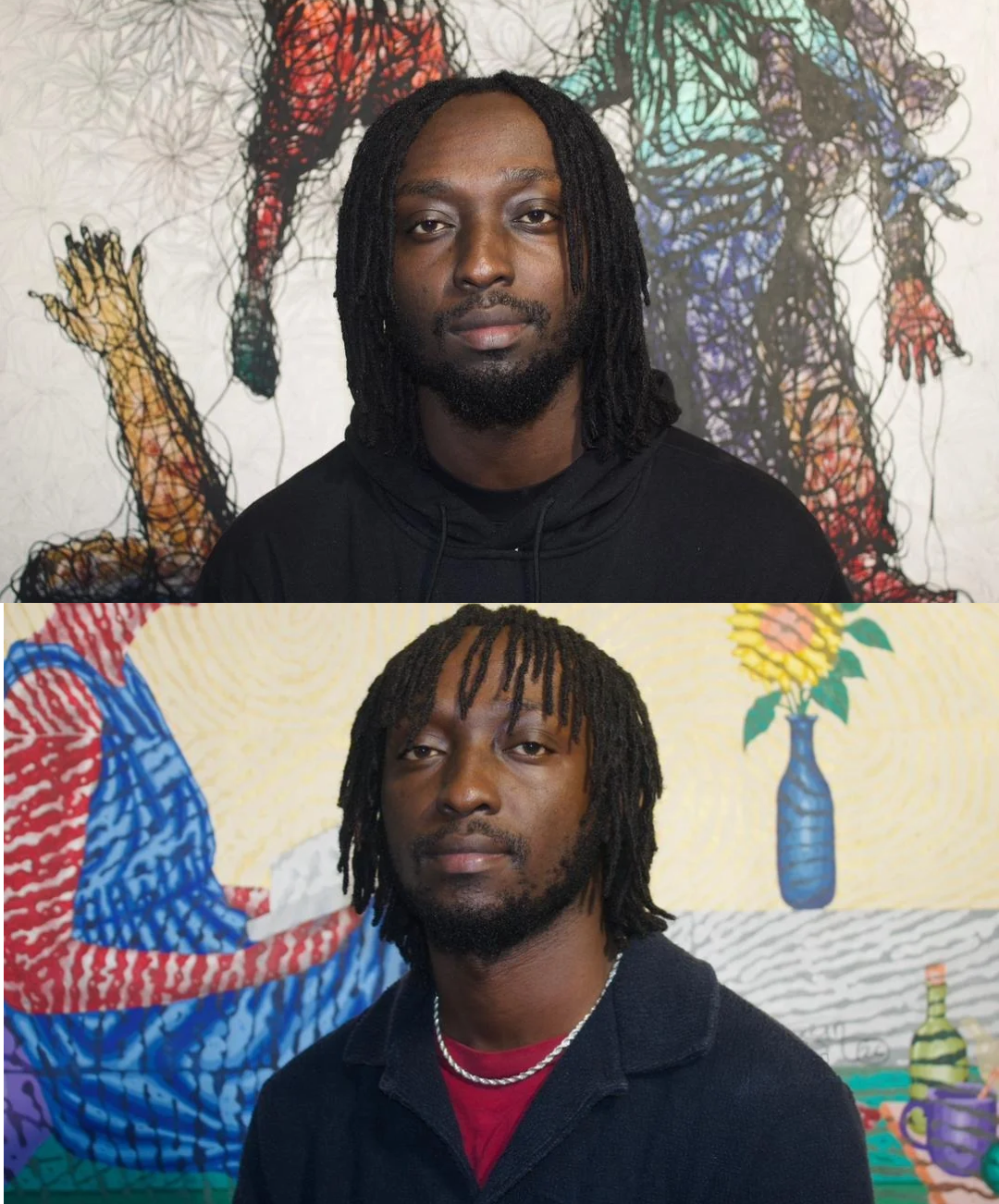
Featuring the Ivorian twin visual artists Tchinan Cédric and Ezan Franck
Born in 1994 in Abidjan, Ivory Coast, twin brothers Tchinan Cédric and Ezan Franck—still known by the pseudonym Tchinezan—have developed a body of wor…
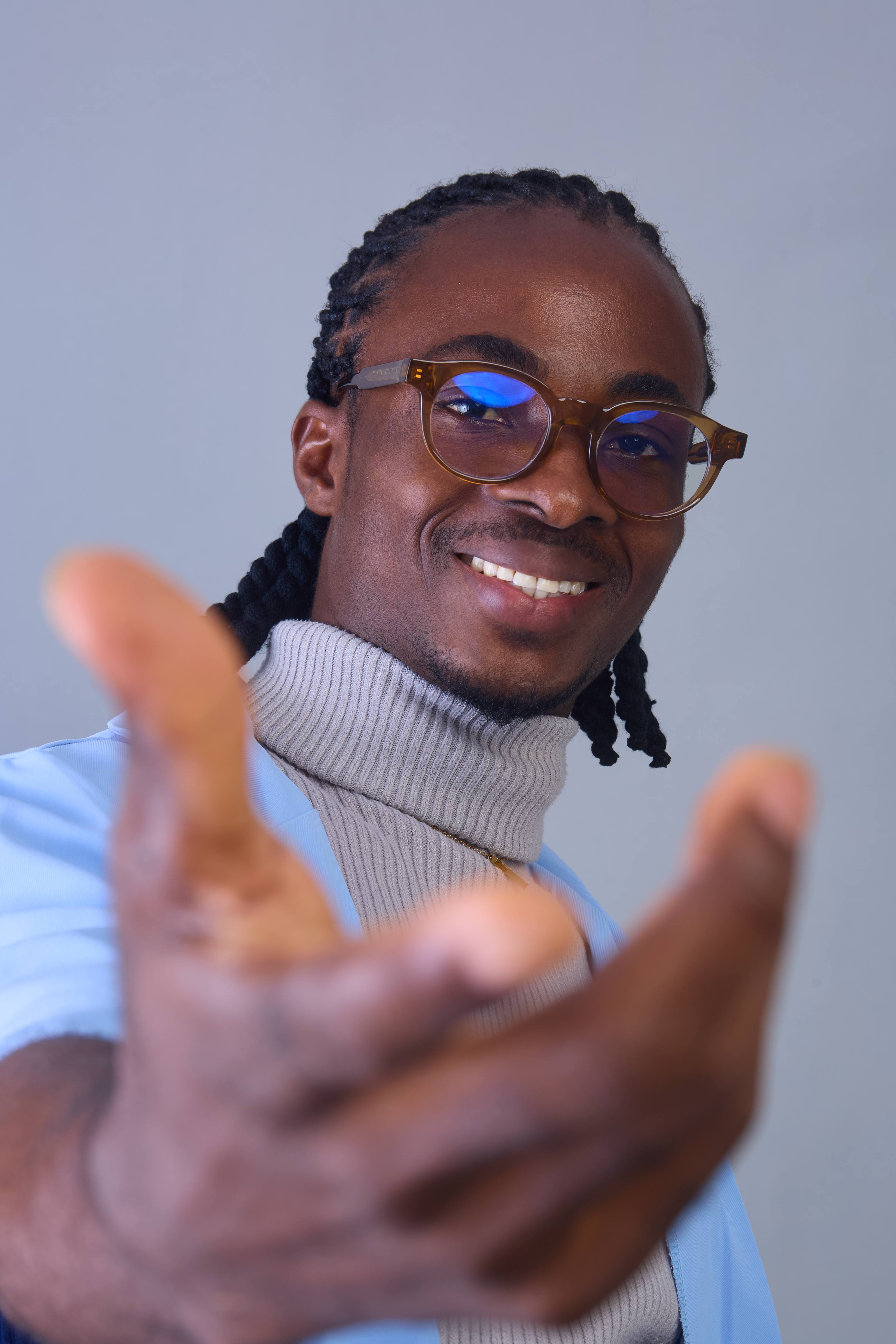
With Ivorian visual artist Bosson Koffi Franck Élisée, known as Sainté
Born in 2000 and a graduate of the Fine Arts program at the Institut National Supérieur des Arts et de l’Action Culturelle (INSAAC) in Abidjan, the yo…
Commentaires